

9 Tips for your Child’s Growing Feet

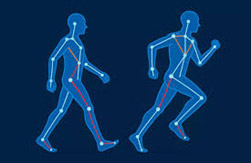
It’s an exciting and memorable moment for young parents to see the child walk for the first time. However, it is imperative to observe and examine them during their growing age (5 to 17 years) to ensure that feet, ankle and lower limb are well aligned to their neutral position. The faulty alignment and biomechanics may lead to improper gait, posture, muscle tightness may lead to lifelong chronic pain, structural and functional disorders and lack of physical activity.
Here are few tips to watch out for:
- Flat feet: The medial arches of the feet either get flattened or collapsed. The ankles may also roll in excessively, particularly on load-bearing activities.
- In-toeing: Also known as pigeon-toed, more apparent as the child walks where one or both feet turned in. Tripping and falling are common.
- Out-toeing: The child walks with one or both feet markedly turned out or abducted. They may look clumsy when walking and running.
- Knock knees: The child’s knees point inwards when in standing and the feet are far apart.
- Bow Legs: The child’s lower legs (Tibia) are bowed outwards in the standing position such that when the ankles are placed together the knees are far apart.
- Growing pains: Many children complain of mild pain in the lower limbs, coincide with significant growth spurts. The pain occurs in the calves’ muscles, thighs and behind the knee.
- Severs disease (Heel Pain): The child will complain of pain in one or both heels. Pain is usually worse after physical activity and the parent may notice the child limping after sports, common during the ages of 8-14.
- Osgood-Schlatter disease (Knee Pain): The pain and swelling are in the front of the knee below the patella, during or after physical activity.
- Children’s sports injuries: Poor alignment and muscle imbalance can lead to various chronic injuries.