Safe, precise, medically-guided pedicure care designed specifically for diabetic feet — where precision protects.
Many patients with diabetes avoid pedicures entirely after receiving general advice to "be careful" with their feet. This often leads to unnecessary avoidance of basic foot hygiene and care.
The actual risk does not lie in the pedicure, but in certain unsafe practices that can be easily avoided with proper diabetic foot protocols.
With medically-guided care, pedicures can be both safe and beneficial for circulation, skin health, and early problem detection.
🔬 Clinical Note: The blanket warning "people with diabetes should avoid pedicures" conflates the procedure with the hazards within it. The hazards are specific — and most of them are avoidable.
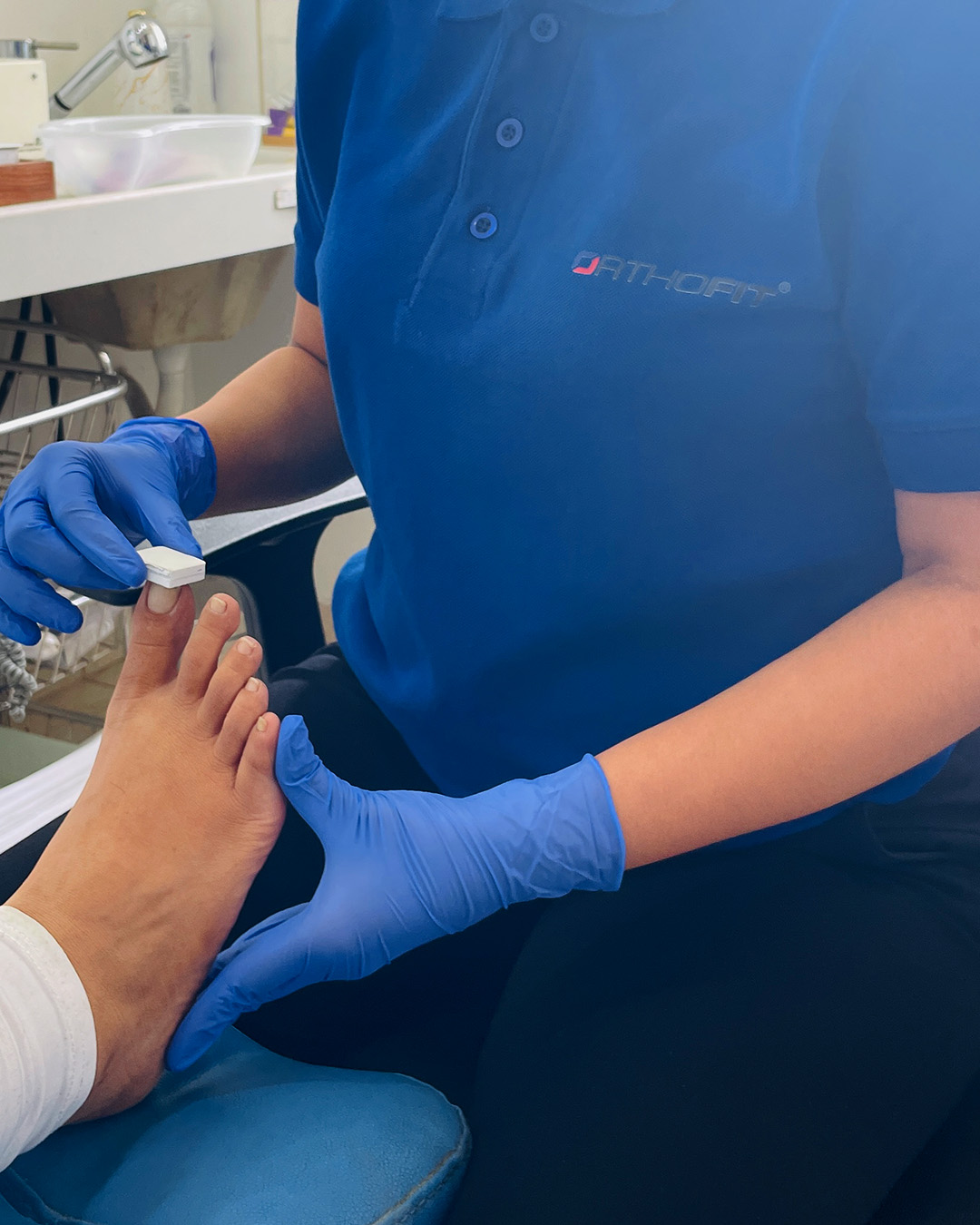
Diabetes affects the feet through two mechanisms that work against each other in a particularly difficult way.
Nerve damage that progressively reduces sensation. The key threshold is loss of protective sensation (LOPS) — when a patient can no longer reliably detect minor skin trauma. Cracks, cuts, and blisters develop silently.
Peripheral vascular disease limits blood supply, reducing immune cells and oxygen to damaged tissue. Minor wounds heal slowly and are at higher risk of infection — which can progress rapidly in the diabetic foot.
⚠️ The implication for foot care is not "avoid everything." It is: "Be precise about what you do and how you do it."
These specific hazards — not the pedicure itself — create the risk for diabetic feet:
Before any appointment, confirm the following are in place:
Frequently Asked Questions
Orthofit Healthcare Pvt Ltd, 9th Floor, Mahalaxmi Chambers, Bhulabhai Desai Road (Warden Road) Mumbai 400026
Phone: 84549 20321 | L : 022-23529230 / 022-23518860 | Email: dr.edge@orthofit.in
Orthofit Clinic has developed a unique approach where certified therapists conduct a detailed foot, ankle and lower limb biomechanics evaluation and scrutinize static and dynamic conditions.




Color: Gray
1 X $113.88