





INGROWN TOE NAIL
INGROWN TOE NAIL
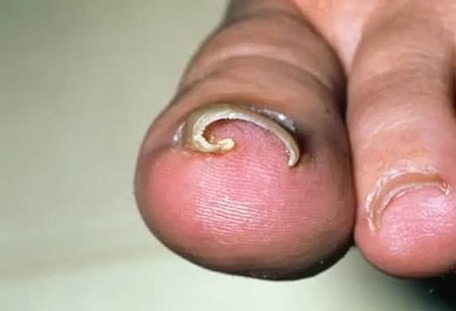
An ingrown toenail occurs when the edge or corner of a toenail grows into the surrounding skin. It most commonly affects the big toe and can cause pain, redness, swelling, and tenderness. In some cases, the area may become infected.
Common Causes
Ingrown toenails can develop due to several factors, including:
Symptoms
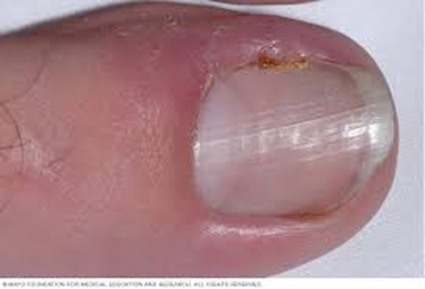
Typical symptoms include
What You Can Do
For a mild ingrown toenail swelling without significant infection:
When to See a Podiatrist
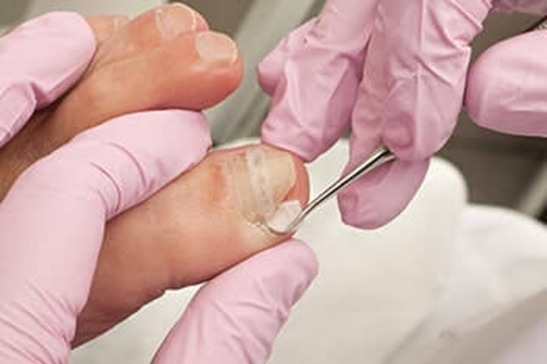
You should seek professional podiatric assessment if the pain is severe, symptoms are worsening, there is pus or significant drainage, the problem keeps returning, or home care does not improve the condition.
A podiatrist can determine the severity of the ingrown toenail and recommend appropriate treatment. Depending on the presentation, treatment may range from conservative nail care to a minor procedure that removes the offending nail edge. For recurrent cases, a procedure to prevent that portion of the nail from growing back may provide a longer-term solution.
Important: If you have diabetes, poor circulation, reduced sensation in your feet, or another condition that affects healing, do not attempt to treat an ingrown toenail yourself. Professional assessment is recommended. Visit Orthofit Healthcare now to book your appointment.
An ingrown toenail occurs when the edge or corner of a toenail grows into the surrounding skin. It most commonly affects the big toe and can cause pain, redness, swelling, and tenderness. In some cases, the area may become infected.
Common Causes
Ingrown toenails can develop due to several factors, including:
- Cutting the toenails too short or rounding the corners
- Wearing SLIP ON shoes, banging toe nail in the front wall
- Repeated pressure or trauma to the toes
- Naturally curved or thick toenails
- Excessive sweating
- Improper nail care
- A family tendency toward ingrown nails
Symptoms
Typical symptoms include
- Pain or tenderness along the side of the toenail, particularly when wearing shoes or applying pressure.
- You may also notice redness, swelling, warmth, or drainage.
- If the condition progresses, granulation tissue or pus may develop, indicating significant inflammation or infection.
What You Can Do
For a mild ingrown toenail swelling without significant infection:
- Applying cold pack for 10–15 minutes can help reduce discomfort/swelling and pain
- Keep the toe clean and dry
- Wear shoes with plenty of room in the toe box
- Avoid cutting or digging into the affected nail edge yourself.
- Toenails should generally be trimmed straight across, leaving the corners visible rather than cutting deeply into them.
When to See a Podiatrist
You should seek professional podiatric assessment if the pain is severe, symptoms are worsening, there is pus or significant drainage, the problem keeps returning, or home care does not improve the condition.
A podiatrist can determine the severity of the ingrown toenail and recommend appropriate treatment. Depending on the presentation, treatment may range from conservative nail care to a minor procedure that removes the offending nail edge. For recurrent cases, a procedure to prevent that portion of the nail from growing back may provide a longer-term solution.
Important: If you have diabetes, poor circulation, reduced sensation in your feet, or another condition that affects healing, do not attempt to treat an ingrown toenail yourself. Professional assessment is recommended. Visit Orthofit Healthcare now to book your appointment.


